Explore SZBL

Institute of Neurological and Psychiatric Disorders
nobuhiko(at)szbl.ac.cn
Cell Biology,Molecular Biology,Neuroscience
Senior Principal Investigator
Visiting Principal Investigator
Professor
Assistant Prof and Lecture
Osaka University Awarded the degree of PhD in neurobiology for a thesis entitled "Studies of a neurite outgrowth-promoting factor from conditioned medium"
Master
Awarded Bachelor's degree
Our laboratory investigates the mechanisms underlying activity-dependent gene expression involved in the formation and reorganization of neural circuits from physiological, pathological, and evolutionary perspectives. To this end, we utilize cellular biological techniques such as calcium imaging, gene expression analysis, genetic manipulation and our proprietary slice culture method.
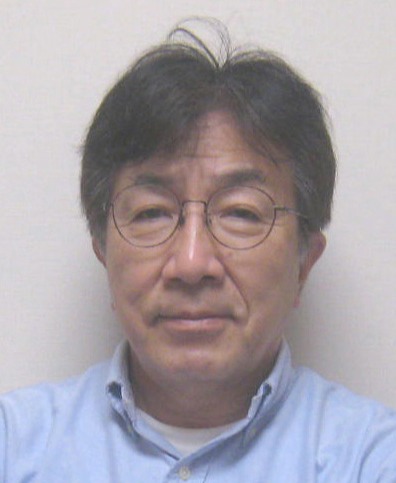
Dr Yamamoto obtained a PhD in Nakaakira Tsukahara lab of Osaka University by studying neurite outgrowth-promoting factor from heart cell conditioned medium. He then joined Keisuke Toyama lab in Kyoto Prefectural University of Medicine. During the period, he invented a novel organotypic culture method (Yamamoto et al., Science, 1989) and demonstrated that specific neuronal connections are established in vitro (Yamamoto et al., Neuron, 1992). In 1994 he returned to Osaka University as associate professor, and in 2002 joined Graduate School of Frontier Biosciences in Osaka University as a full professor. His lab has been mainly interested in cellular and molecular mechanisms of neuronal wiring. They have shown the mechanisms underlying formation of lamina-specific cortical connections using the in vitro approaches (Yamamoto et al., J Neurosci, 1997; J Neurosci, 2000). They have also demonstrated the role of neuronal activity in cortical circuit formation (Uesaka et al, J Neurosci, 2005, 2007; Yamada et al., PNAS, 2010) and the molecular mechanisms underlying activity-dependent axon branching by using various techniques of cellular biology, electrophysiology and molecular biology (Ohnami et al., J Neurosci, 2008; Hayano et al., PNAS, 2014, Sasaki et al., Cereb Cortex, 2020). More recently, they have shown the influence of physiological stimulation on activity-dependent gene expression (Miyasaka and Yamamoto, Frontier Neurosci, 2021), the activity-dependent dynamics of a transcription factor in cortical neurons (Kitagawa et al., J Neurosci, 2017; Atsumi et al., Cell Rep, 2024; Sugo et al., Trends Genet, 2025), the molecular mechanisms of lesion-induced axonal sprouting (Chang et al., J Neurosci, 2022), and the role of afferent-specific molecules in neocortical cytoarchitecture (Sato et al., eLife, 2022).
1. Yamamoto N, Kurotani T, Toyama K (1989) Neural connections between the lateral geniculate nucleus and visual cortex in vitro. Science 245:192-194
2. Yamamoto N, Yamada K, Kurotani T, Toyama K (1992) Laminar specificity of extrinsic cortical connections studied in coculture preparations. Neuron 9:217-228.
3. Yamamoto N, Inui K, Matsuyama Y, Harada A, Hanamura K, Murakami F Ruthazer ES, Rutishauser U, Seki T (2000) Inhibitory mechanism by polysialic acid for lamina-specific branch formation of thalamocortical axons. J Neurosci 20:9145-9151.
4. Uesaka N, Hirai S, Maruyama T, Ruthazer E, Yamamoto N* (2005) Activity-dependence of cortical axon branch formation: A morphological and electrophysiological study using organotypic slice cultures. J Neurosci 25:1-9.
5. Yamada A, Uesaka N, Hayano Y, Tabata, T, Kano M, Yamamoto N* (2010) Role of pre- and postsynaptic activity in thalamocortical axon branching. Proc Natl Acad Sci U S A 107: 7562-7567.
6. Hayano Y, Sasaki K, Ohmura N, Takemoto M, Maeda Y, Yamashita T, Hata Y, Kitada K, Yamamoto N*. (2014) Netrin-4 regulates thalamocortical axon branching in an activity-dependent fashion. Proc Natl Acad Sci U S A 111:15226-15331.
7. Kitagawa H, Sugo N, Morimatsu M, Arai Y, Yanagida T, Yamamoto N* (2017) Activity-dependent dynamics of the transcription factor CREB in cortical neurons revealed by single-molecule imaging. J Neurosci 37:1-10.
8. Chang L, Masada M, Kojima M, Yamamoto N* (2022) Involvement of denervated midbrain-derived factors in the formation of ectopic cortico-mesencephalic project-tion after hemispherectomy. J Neurosci 42: 749-761.
9. Atsumi Y, Iwata R, Kimura H, Vanderhaeghen P, Yamamoto N*, Sugo N* (2024) Repetitive CREB-DNA interactions at gene loci predetermined by CBP induce activity-dependent gene expression in human cortical neurons. Cell Rep 43, 113576.
10. Sugo N*, Atsumi Y, Yamamoto N* (2025) Transcription and epigenetic factor dynamics in neuronal activity-dependent gene regulation. Trends Genet, 41, 425-436.
Contact
Address: Gaoke Innovation Center,Guangming District, Shenzhen
Phone: +86-755-86967710
Email: webmaster@szbl.ac.cn
Postal Code: 518132
Copyright © 2025 Shenzhen Bay Laboratory. All Rights Reserved.