Explore SZBL

Institute of Molecular Physiology
tsai(at)szbl.ac.cn
Bioengineering,Chemical biology,Molecular biology
Junior Principal Investigator / Principal Investigator with tenure
Lecturer
Postdoctoral Researcher
Doctor of Natural Science
Master of Science
Research Assistant
Bachelor of Science
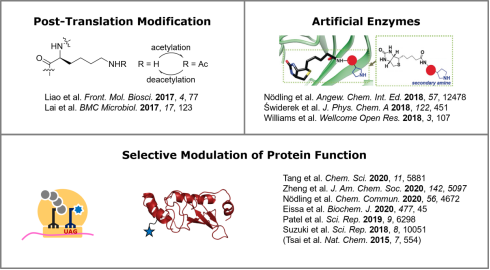
Our research focuses on development of new chemical biology tools that address challenging biological questions. We are particularly interested in developing new tools to control protein function and their biomedical applications, such as therapeutics and diagnostics. The group has expertise in chemical biology, organic synthesis, therapeutic development, gene editing, and genetic code expansion.
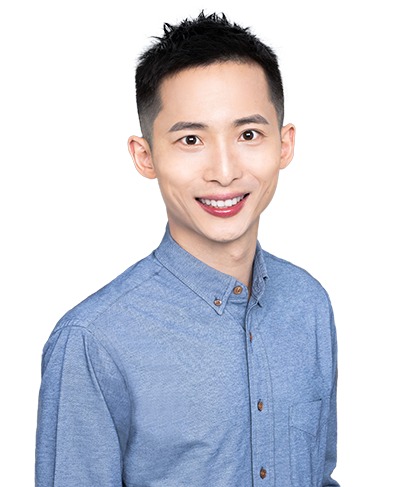
Yu-Hsuan Tsai did undergraduate study at the National Taiwan University and obtained his BSc with Honors in 2006. He then worked as a research assistant on isolation, characterization, and synthesis of bacterial glycoconjugates in the group of Shih-Hsiung Wu in the Institute of Biological Chemistry at the Academia Sinica. He later joined the group of Peter Seeberger at the Swiss Federal Institute of Technology (ETH) Zurich in 2007 and moved with the group to Max Planck Institute of Colloids and Interfaces in 2009. During this time, he worked on different aspects of carbohydrate research, including carbohydrate dendrimers, carbohydrate-antibody interactions, synthetic inositol phosphoglycans as insulin mimetics and total synthesis of glycosylphophatidylinositol anchors. In 2012 he joined the group of Jason Chin at the MRC Laboratory of Molecular Biology working on genetic code expansion and its applications in mammalian cells.
In 2015, Dr Tsai established his independent research group in the School of Chemistry at Cardiff University. He has secured over £2.4 million research funding. To date, he has published 26 peer-reviewed papers (13 as an independent researcher), including articles in Nat. Chem., J. Am. Chem. Soc., Angew. Chem. and Chem. Sci. Published works from his lab have been reported as feature news by various agents, such as Science, The Conversation, etc. He is also a co-inventor of two patents and a recipient of different distinctions, such as Cardiff Futures (2019), British Science Association Media Fellow (2018), GW4 Crucible (2017), EMBO Fellow (2014), MCR Career Development Fellow (2012). He has also been an Academic Editor of PLOS ONE since 2020.
1. J. Liu, S. Duan, Y. Huang, M.-Y. Jian, H. S. Lee, G. Dai, C. Wu, Y.-L. Wu, Y.-H. Tsai, Thiol-retaining N-terminal cysteine chemistry for dual modification and bicyclic peptide construction. J. Am. Chem. Soc. 2026, 148, 18020. Preprint deposit. News in X-MOL.
2. X. Meng, K. Fu, Y. Liu, Y. Liu, J. Z. Zhang, X. Kang, C. Wu, Y.-H. Tsai, Disulfide-directed multicyclic peptides for chimeric antigen receptors targeting solid tumors. J. Am. Chem. Soc. 2026, 148, 400. Preprint deposit. News in X-MOL.
3. Y. Huang, C. Wu, A. Lu, J. Wang, J. Liang, H. Sun, L. Yang, S. Duan, A. A. Berezin, C. Wu, B. Zhang, Y.-L. Wu, Y.-H. Tsai, A single bioorthogonal reaction for multiplex cell surface protein labelling. J. Am. Chem. Soc. 2025, 147, 1612. News in ChemH and X-MOL.
4. H. Liu, L. Song, X. Meng, J. Li, S. Fan, H. Dong, X. Wang, M. Li, H. Yu, Y.-H. Tsai, Y. Yin, C. Wu, Proline-mediated enhancement in evolvability of disulfide-rich peptides for discovering protein binders. J. Am. Chem. Soc. 2025, 147, 24870. News in American Peptide Society.
5. T. L. Williams, I. M. Taily, L. Hatton, A. A. Berezin, Y.-L. Wu, V. Moliner, K. Świderek, Y.-H. Tsai, L. Y. P. Luk, Secondary amine catalysis in enzyme design: broadening protein template diversity through genetic code expansion. Angew. Chem. Int. Ed. 2024, 63, e202403098.
Contact
Address: Gaoke Innovation Center,Guangming District, Shenzhen
Phone: +86-755-86967710
Email: webmaster@szbl.ac.cn
Postal Code: 518132
Copyright © 2025 Shenzhen Bay Laboratory. All Rights Reserved.